About & Partners
About Canoe ’26
Bringing the world to Lake Banook
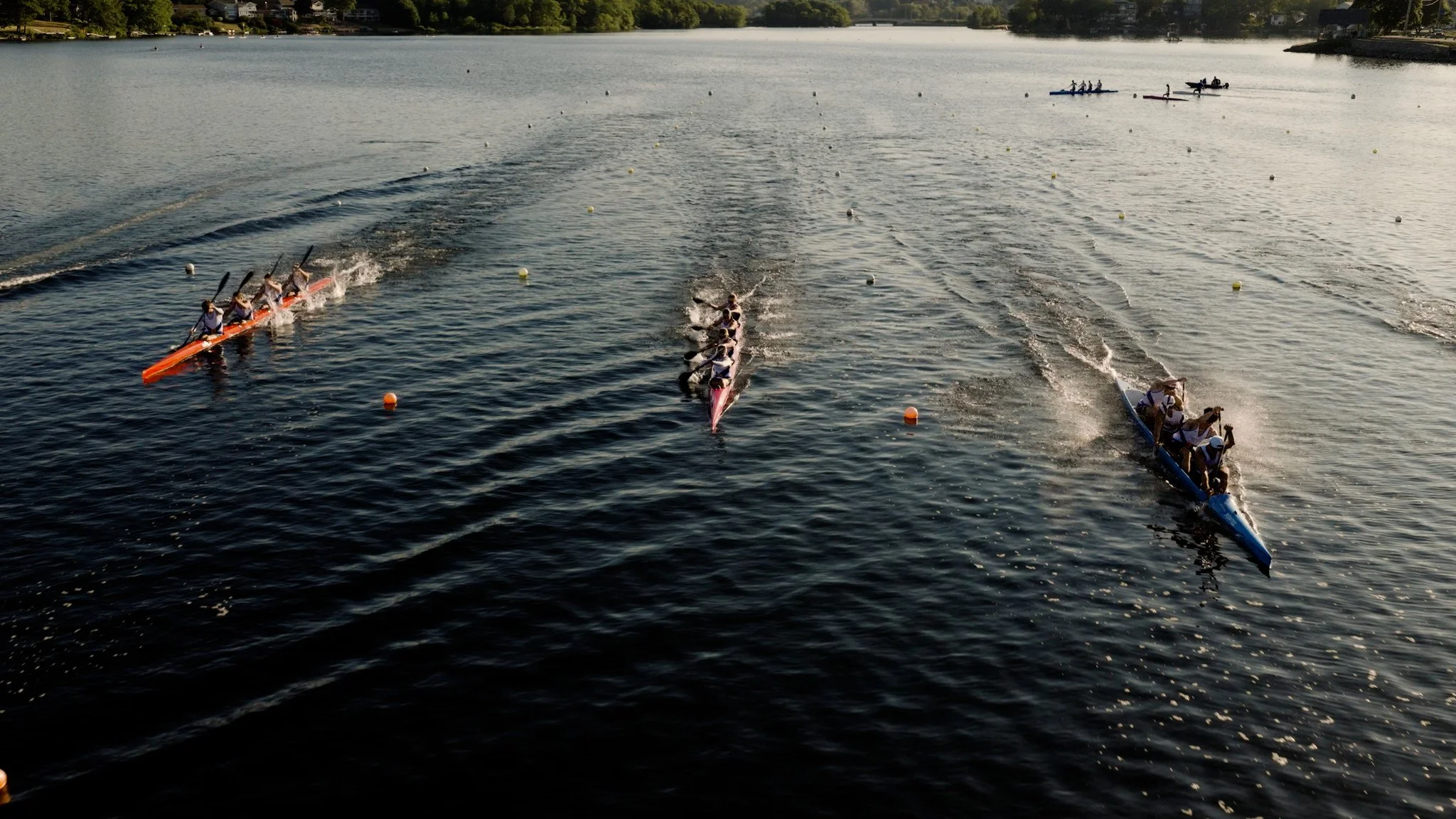
Canoe ’26 is the Host Organizing Committee responsible for delivering two landmark international paddling events in Halifax, Canada: the ICF Junior & U23 Canoe Sprint World Championships (July 1–5, 2026) and the ICF Masters Canoe Sprint World Championships (June 25–27, 2026).
Organized in partnership with Canoe Kayak Canada (CKC) and the Atlantic Division of Canoe Kayak Canada (ADCKC), and the International Canoe Federation (ICF), Canoe '26 will welcome the next generation of emerging global canoe sprinters and the masters who have defined the sport to the iconic waters of Lake Banook, one of the most celebrated flatwater racing venues on the planet.
A Legacy of World-Class Paddling
Halifax is no stranger to the global stage. In 2022, Lake Banook hosted the ICF Canoe Sprint and Paracanoe World Championships, drawing the most powerful paddlers on the planet to Nova Scotia. Canoe '26 builds on that legacy and raises the bar. Bringing international competition back to a city that knows how to host the world and a lake that has earned its reputation one race at a time.

The people who bring it to life
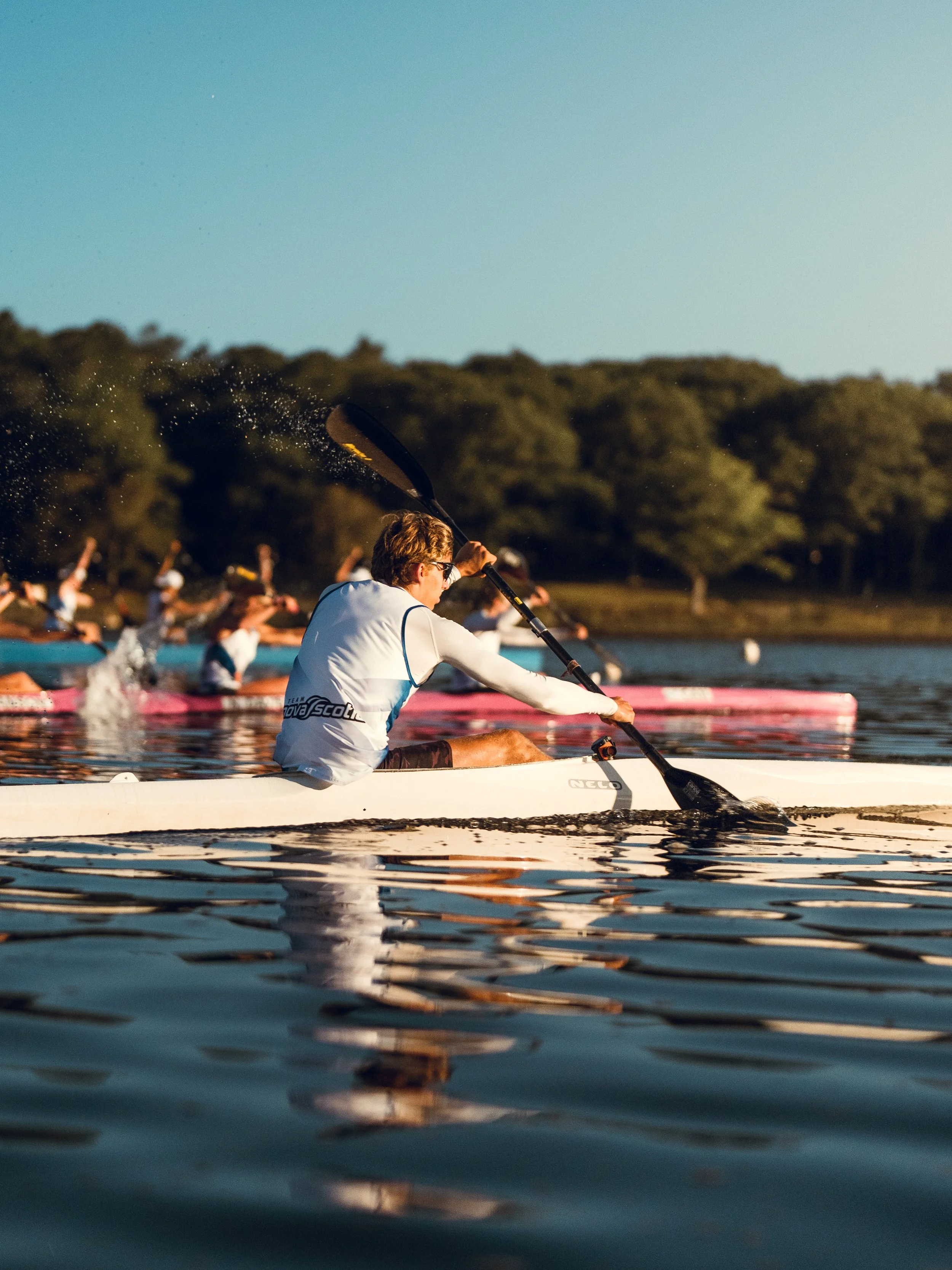
Canoe ’26 is about more than what happens on the water. It’s about the people — athletes, volunteers, and community members who make it possible. It’s about the place — a lake steeped in paddling history, set against one of Canada’s most vibrant coastal cities. And it’s about the build — the months of preparation, partnership, and shared purpose that transform a vision into a world-class event.
Our mission is to deliver a safe, inclusive, and unforgettable championship experience that showcases Halifax to the world, celebrates the sport of canoe sprint, and leaves a lasting legacy for the paddling community.
Mi’kmaw Connection to Lake Banook
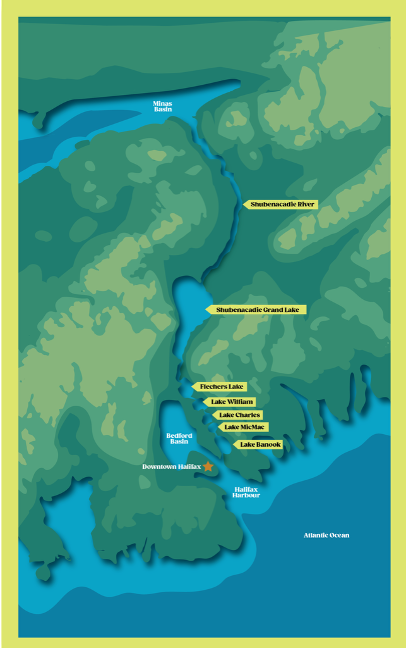
For the Mi’kmaq people, the Shubenacadie River, located in the Sipekne’katik District, has always been a lifeline. “One of the longest tidal rivers in the province of Nova Scotia, it served as a major transportation route and a resource and habitation area for Mi’kmaq people for over 6,000 years,” says Dr. Roger Lewis, Mi’kmaq cultural heritage and archaeology lead with the Sipekne’katik Governance Initiative. This river was not just a means of travel—it was a sacred space that provided food, shelter, and community.
“Mi’kmaq people see it as a gift, not merely a river that meanders through to the Minas Basin,” Lewis explains. “It provides Mi’kmaq people with an abundance of food and other things necessary for their survival.” The river and its surroundings are ingrained in Mi’kmaq cultural memory, a history that extends far beyond European contact. “The history of this province didn’t start in 1604,” Lewis emphasizes. “As far as we know scientifically, it dates back 13,500 years.”
LIVING LEGACY
The Shubenacadie Canal is more than a historical landmark—it is a living testament to the region’s past and present. It is a place where the Mi’kmaq connection to the land endures, where history and nature intertwine, and where people continue to find community, recreation, and inspiration.
“They’re still here,” Lewis reminds us. “You can relocate a population from their traditional resource areas, but one thing you cannot take is cultural memory. And that cultural memory survives through language and academia.”
As visitors explore the canal today, they walk through layers of history—one that began thousands of years ago and continues to shape the identity of Nova Scotia. Whether through paddling its waters, hiking its trails, or simply pausing to reflect, the Shubenacadie Canal remains a place of connection, evolution, and renewal.
Districts of Mi’kma’ki
Mi’kma’ki has seven districts. These districts are geographic areas that support traditional governance and are defined by rivers and waterways. Boundaries were most likely flexible to reflect the changing conditions and needs of the people in each area rather than the geographic borders that are used today.
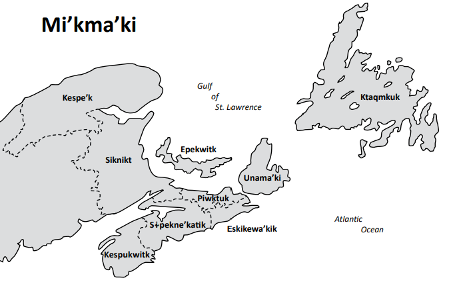
Epekwitk aq Piktuk
Lying in the Water and the Explosive Place
Eskikewa’kik
Skin Dressers Territory
Kespe’k
Last Land
Kespukwitk
Last Flow
Siknikt
Drainage Area
Sipekne’katik
Wild Potato Area
Unama’ki aq Ktaqmku
Foggy Lands and Land Across the Water
Special thanks to Dr. Roger Lewis, Richard MacMichael, NSITE’N, the Shubenacadie Canal Commission, and Mirror Image Media for their support in creating this content.
The Events
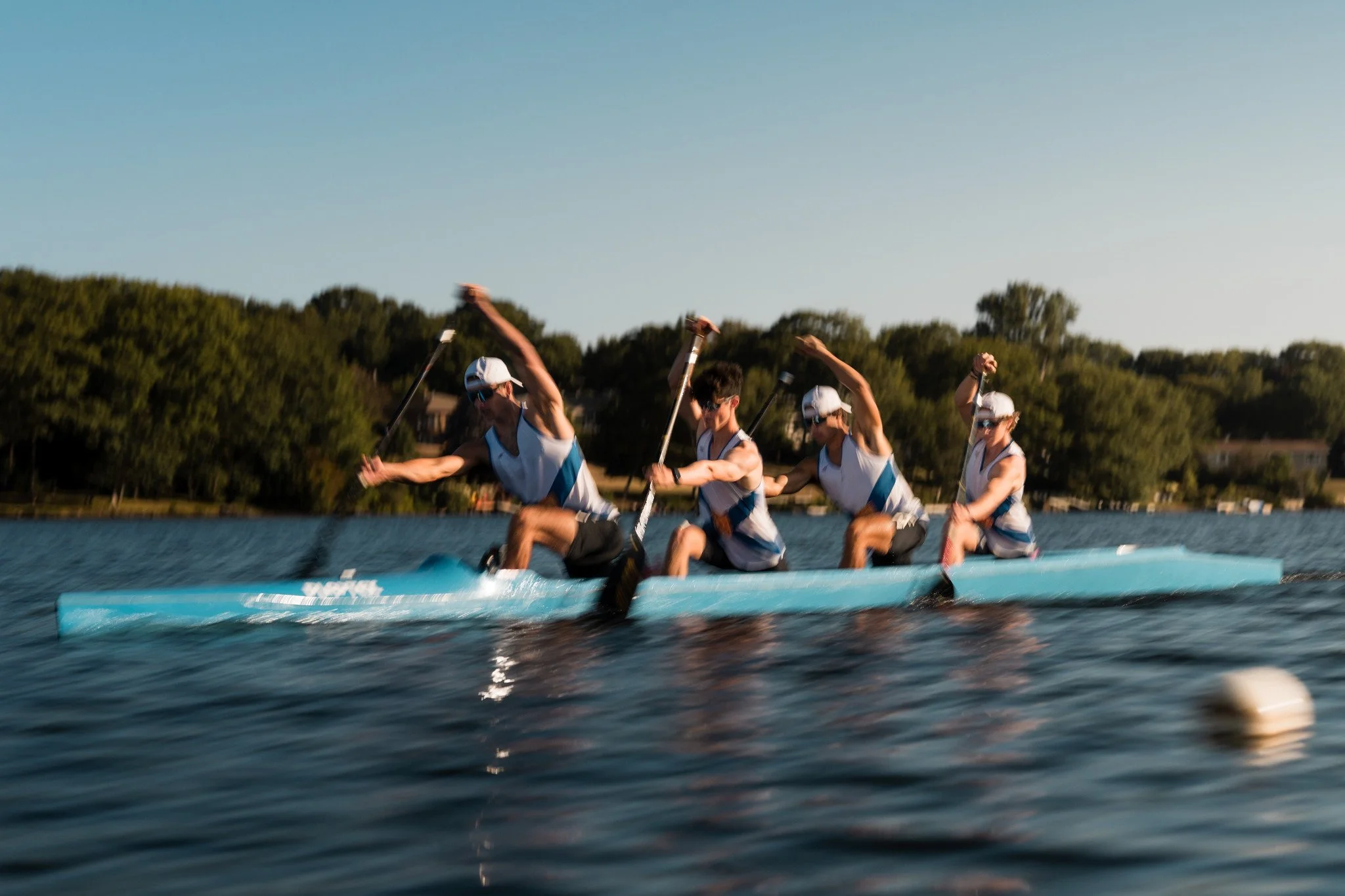
The ICF Masters, Junior, and U23 Canoe Sprint World Championships include races in Women’s, Men’s, and mixed categories of both Canoe and Kayaking in single, doubles and quad boat races. A total of 48 different finals will be raced in 200, 500, 1000, and 5000 meter distances.

Canoe 26 Partners

ICF Partners
Gold




Sliver








Bronze